Streamlit + DuckDB: Build Interactive Data Apps That Read and Write to a DuckDB Database
Build a simple Streamlit task tracker that reads from DuckDB, writes new rows, updates task status, and validates the result with SQL.

Build a simple Streamlit task tracker that reads from DuckDB, writes new rows, updates task status, and validates the result with SQL.
📘 Introduction Streamlit makes it super easy to build interactive data apps in Python — without needing HTML, CSS, or JavaScript. But sometimes, you want your app to look more polished and visually appealing. One simple way to achieve that is by adding a background image. Whether you want to match your...
📘 Introduction Streamlit makes it super easy to build interactive apps in Python. But as your app grows — loading datasets, running expensive computations, or calling APIs — you might notice it slows down. The good news: Streamlit has a built-in caching system that stores results of expensive operations and reuses them...
📘 Introduction Artificial intelligence (AI) has rapidly evolved, and one of its most impactful applications lies in natural language processing (NLP). From search engines to conversational assistants, AI models power many of the tools we use daily. However, not all AI models are created for the same purpose. Two important categories—...
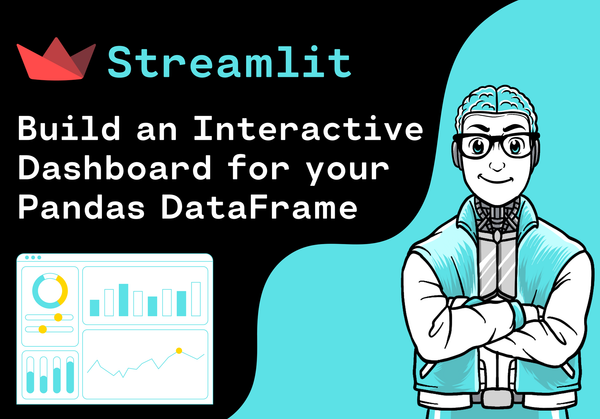
📘 Introduction Data is only as useful as your ability to explore and understand it. But building an interface to analyze and visualize your DataFrame often feels like a full-blown front-end project. That’s where Streamlit saves the day. In this tutorial, you’ll learn how to build a...
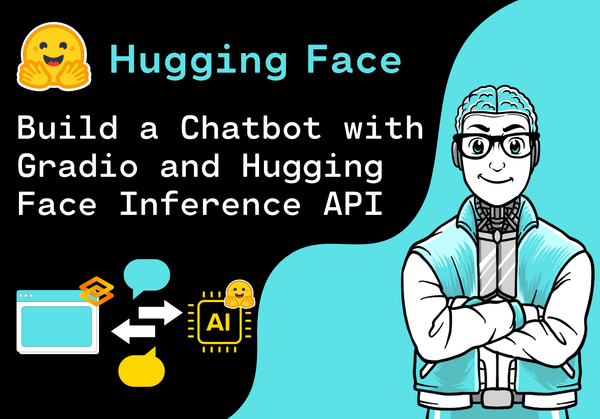
Introduction The Hugging Face Inference API makes it easy to send prompts to large language models (LLMs) hosted on the Hugging Face Hub. By combining this with Gradio, you can quickly build interactive chatbots and demos with a simple, web-based user interface—without worrying about backend frameworks. In this...
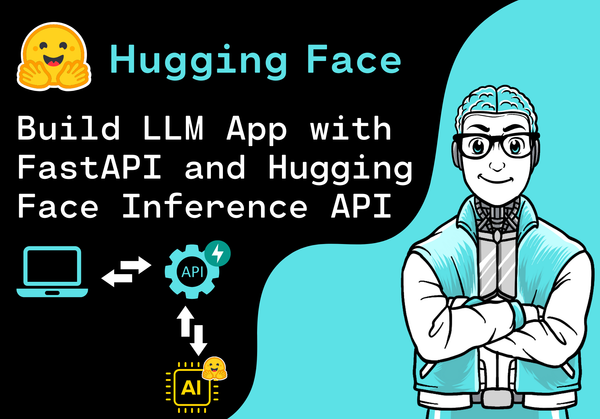
Introduction The Hugging Face Inference API makes it easy to send prompts to large language models (LLMs) hosted on the Hugging Face Hub. By combining this with FastAPI—a modern Python web framework—you can build scalable, production-ready APIs that serve LLM-powered responses to your applications. In this...
Introduction The Hugging Face Inference API is a powerful service that lets you interact with large language models (LLMs) hosted on the Hugging Face Hub. Whether you’re building chatbots, summarization tools, or other AI-powered applications, the Inference API makes it simple to send prompts to an LLM and...
Introduction The Data Science experience in Microsoft Fabric simplifies the end-to-end machine learning process by enabling users to effortlessly create, train, and deploy Machine Learning Models. In this tutorial, we will explain step-by-step how to create a Machine Learning Model in Fabric. Step 1: Sign in...