
📘 Introduction

Data engineering productivity is not only about writing code faster. A lot of time is lost in context switching, repetitive setup work, SQL review, debugging, documentation, and small quality checks that still matter in production.

This is where Codex can become a real productivity booster for Data Engineers. It can inspect project files, follow local conventions, generate code changes, explain errors, and help you move from an idea to a reviewed implementation faster.

The important point is simple: Codex should not replace the Data Engineer. It should remove friction around the work, so the Data Engineer can spend more time on architecture, data quality, business logic, and reliable delivery.

💡 Why data engineering work often feels slow

Data Engineers rarely work on one isolated file. A typical task touches SQL models, Python pipelines, YAML configuration, tests, documentation, logs, environment variables, and Git changes.

That means productivity is often lost in small but constant tasks:

  • writing repetitive dbt YAML files
  • adding column descriptions
  • checking SQL joins and model grain
  • creating boilerplate Python scripts
  • explaining pipeline errors
  • updating tests after a model change
  • remembering project-specific naming conventions

None of these tasks is useless. Many of them are essential. But they can slow you down when you have to do them manually again and again.

🚀 What Codex changes

Codex is useful because it can work with the project context, not only with a single copied code snippet. If your repository contains clear files, tests, and an AGENTS.md, Codex can follow the way your project is built.

For Data Engineers, that means Codex can help with implementation, review, documentation, and debugging across the tools you already use: SQL, dbt, Python, DuckDB, dlt, orchestration code, and Git.

That is the productivity boost: not one magic command, but many small time savings across the full workflow.

🎓 Want to practice this in real projects?

Our Academy is built around hands-on data engineering tutorials. If you want to learn how to build pipelines, dbt models, DuckDB workflows, and AI-assisted development workflows step by step, the full Academy gives you practical examples you can apply in your own projects.

CTA Image

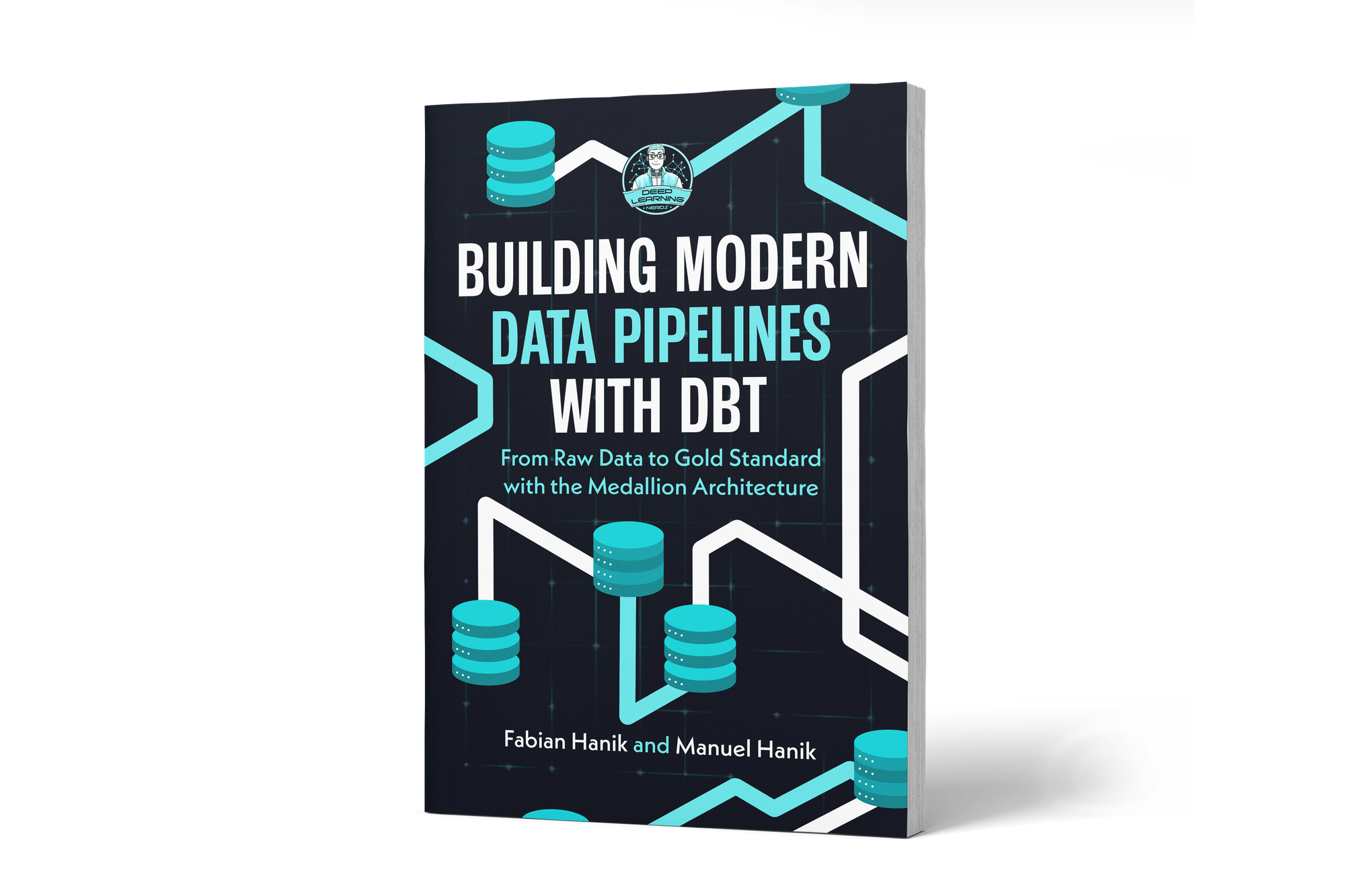
If you’d like to dive deeper into dbt (data build tool), our book Building Modern Data Pipelines with dbt: From Raw Data to Gold Standard with the Medallion Architecture provides a hands-on guide to designing modern data pipelines. It covers dbt’s core concepts and best practices, including building Bronze, Silver, and Gold layers with the Medallion Architecture. It also serves as a hands-on study guide for the dbt Analytics Engineering Certification.

View on Amazon

🧱1️⃣ Codex turns requirements into first drafts faster

You can view this post with the tier: Academy Membership

Join academy now to read the post and get access to the full library of premium posts for academy members only.

Join Academy Already have an account? Sign In