
Introduction

In this tutorial, we’ll dive into the concept of Materializations in dbt and explore the different types available. Understanding materializations is key to optimizing how data is stored, queried, and updated within your dbt projects. Whether you're just starting with dbt or preparing for the dbt Analytics Engineering Certification Exam, this guide will provide valuable insights to help you navigate materializations effectively.

What Are Materializations?

Materializations define how a model is physically implemented in the database, determining how data is stored, queried and updated.

dbt comes with the following materializations:

  • Table
  • Incremental
  • View
  • Materialized View
  • Ephemeral
  • Snapshot
💡
By default, dbt models are materialized as views.

Materialization types

Let's have a look at the different Materialization in dbt:

Table

A table materialization creates a physical table in the database, rebuilt entirely during each dbt run. It’s ideal for consistent data snapshots but can be resource-intensive for large datasets

Incremental

An Incremental materialization updates only new or changed data, appending it to an existing table. It’s efficient for large datasets but requires careful setup to ensure data consistency.

View

A view materialization creates a virtual table that computes results dynamically. It’s lightweight and great for frequently updated data but may have slower performance for complex queries.

Materialized View

A Materialized view materialization is similar to a view but is stored physically in the database, offering faster query performance. It automatically updates when the underlying data changes, depending on database-specific capabilities.

CTA Image

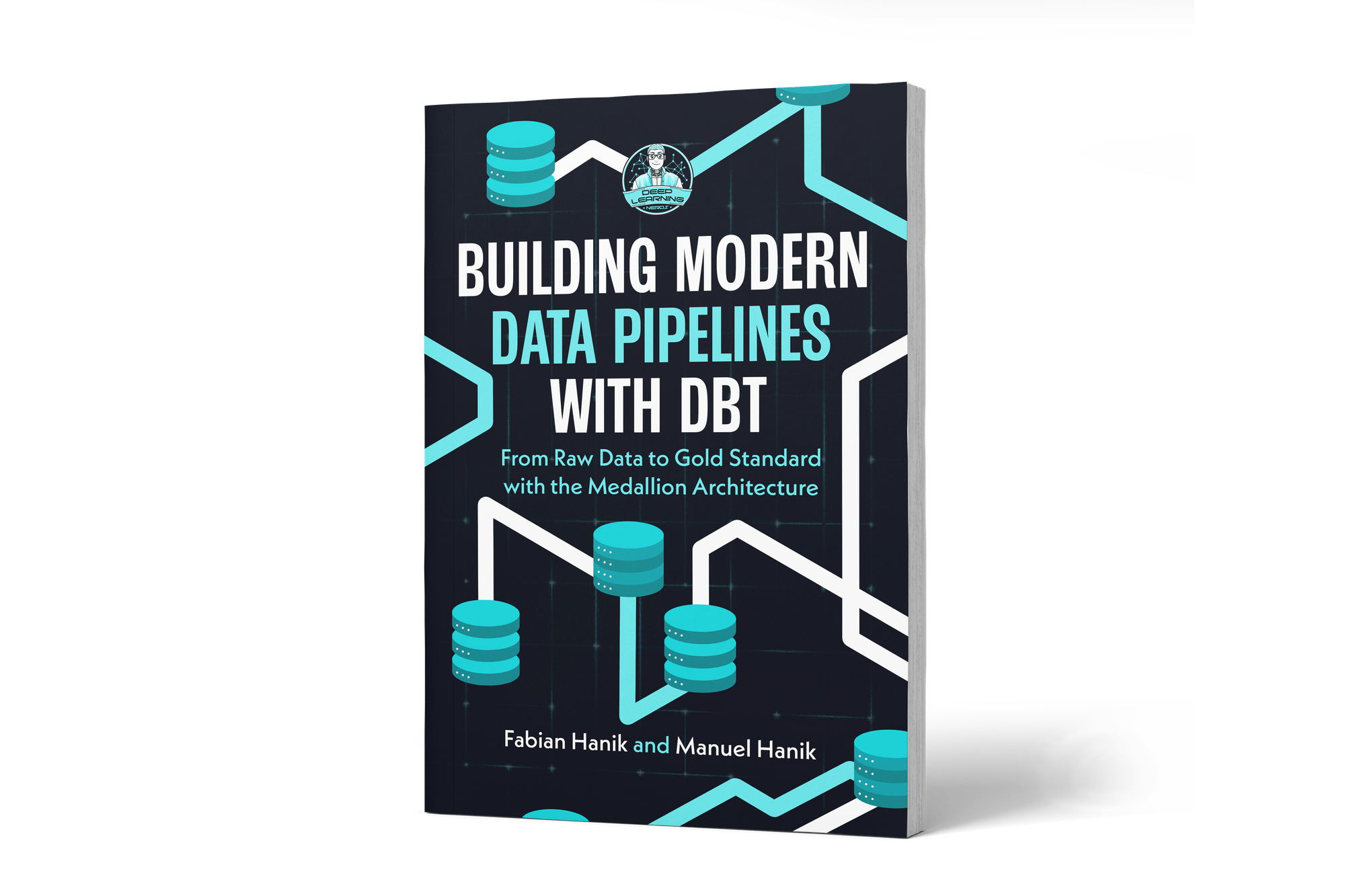
If you’d like to dive deeper into dbt (data build tool), our book Building Modern Data Pipelines with dbt: From Raw Data to Gold Standard with the Medallion Architecture provides a hands-on guide to designing modern data pipelines. It covers dbt’s core concepts and best practices, including building Bronze, Silver, and Gold layers with the Medallion Architecture. It also serves as a hands-on study guide for the dbt Analytics Engineering Certification.

View on Amazon

Ephemeral

You can view this post with the tier: Academy Membership

Join academy now to read the post and get access to the full library of premium posts for academy members only.

Join Academy Already have an account? Sign In